Vercors Regional Nature Park
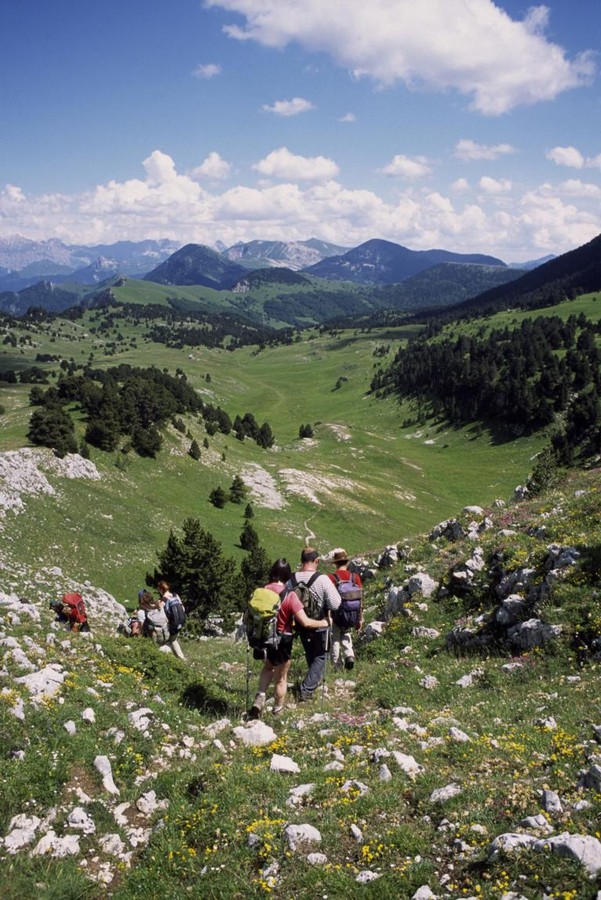
A moderate-altitude plateau ideal for walking, pony trekking, mountain biking, and dog sledding, plus some great climbing and caving spots too !
Read more Read less
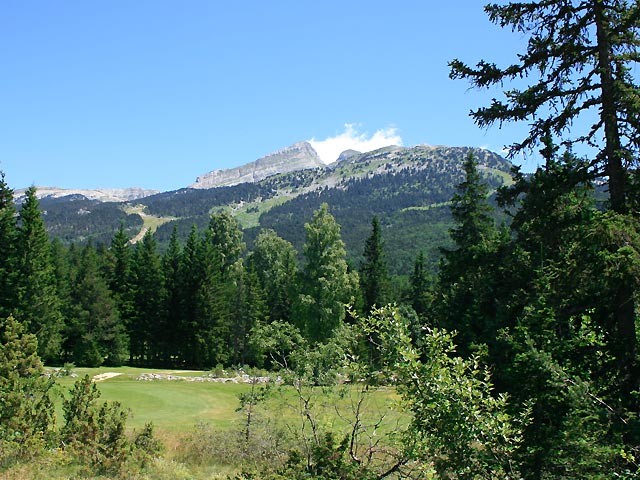
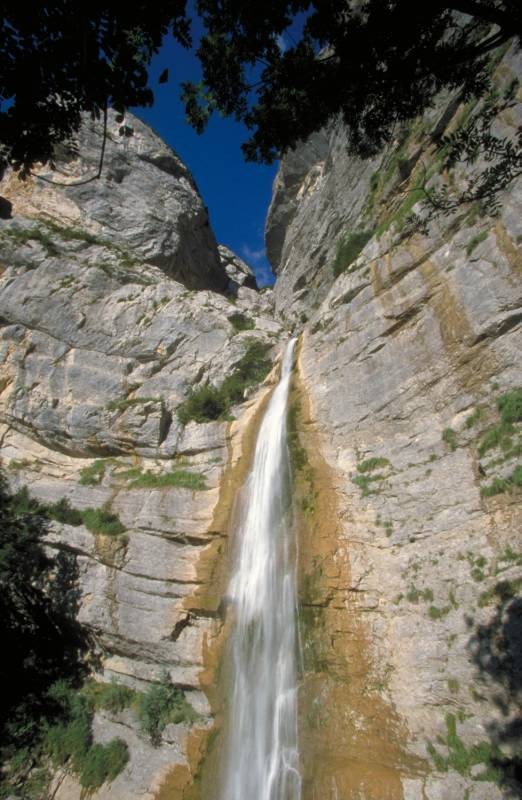
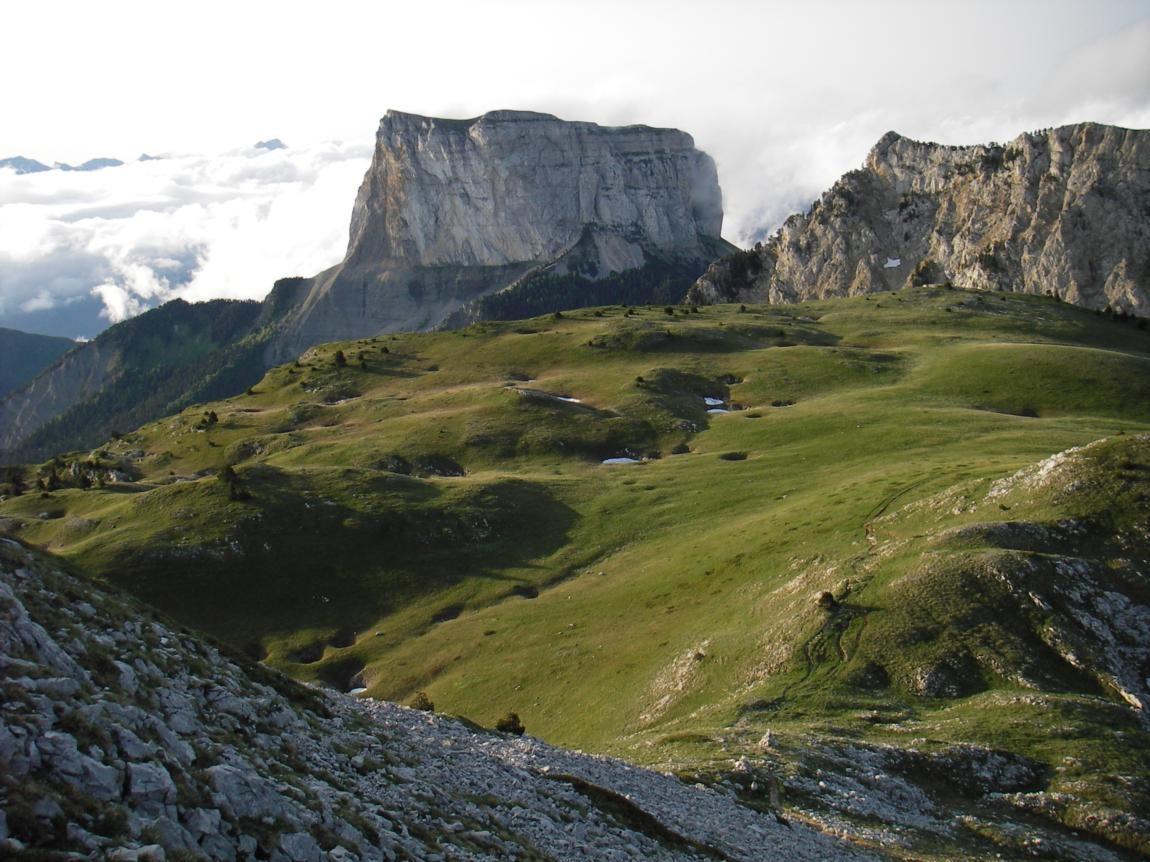
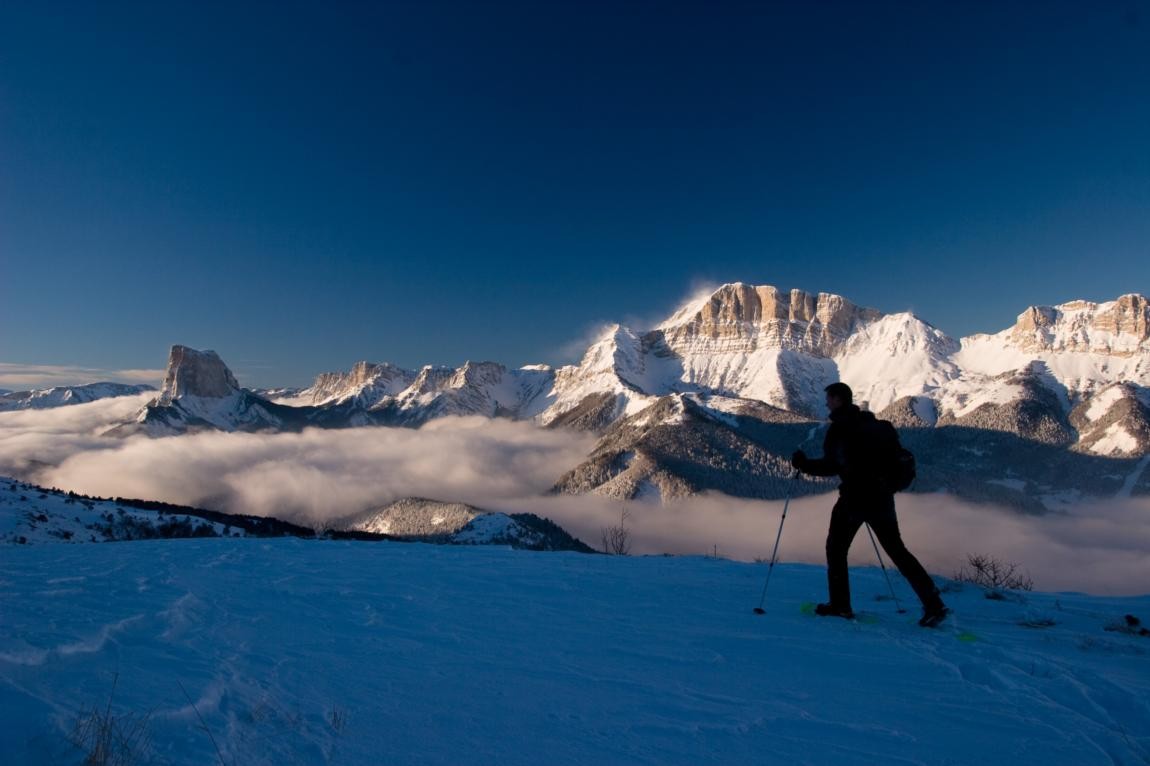
The Vercors Regional Nature Park lies between the Isère Valley to the north and the Diois region to the south, featuring high white cliffs on all sides, interspersed with a few roads and more or less daring passes. Created in 1970, the park covers 205,806 hectares and comprises eight regions: the Quatre-Montagnes, the Coulmes, the Vercors in the Drôme, the Royans, the Diois, the Trièves, the Gervanne, and the Northern Piedmont. The elevation ranges from 180 to 2,453 meters (Rocher Rond on the Drôme side, the massif’s highest point); on the Isère side, the Grand Veymont is the highest peak at 2,341 meters. On the Grenoble side, the climate is as harsh as that of the Northern Alps, while in the Drôme to the south, Mediterranean vegetation and climate begin to take hold. But in both the north and the south, nine-tenths of the massif’s surface consists of a thick slab of white limestone. Shaped by erosion, it has created spectacular landscapes: gorges, spires, vertical rock faces, lapiaz…
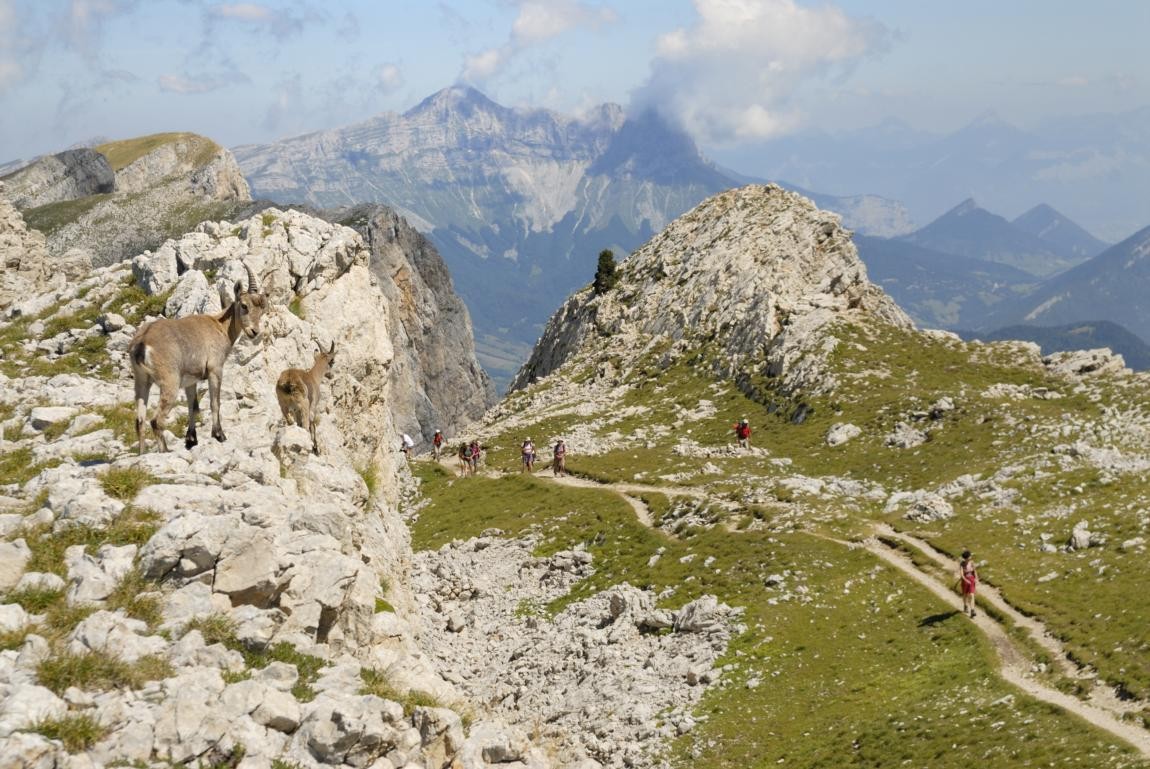
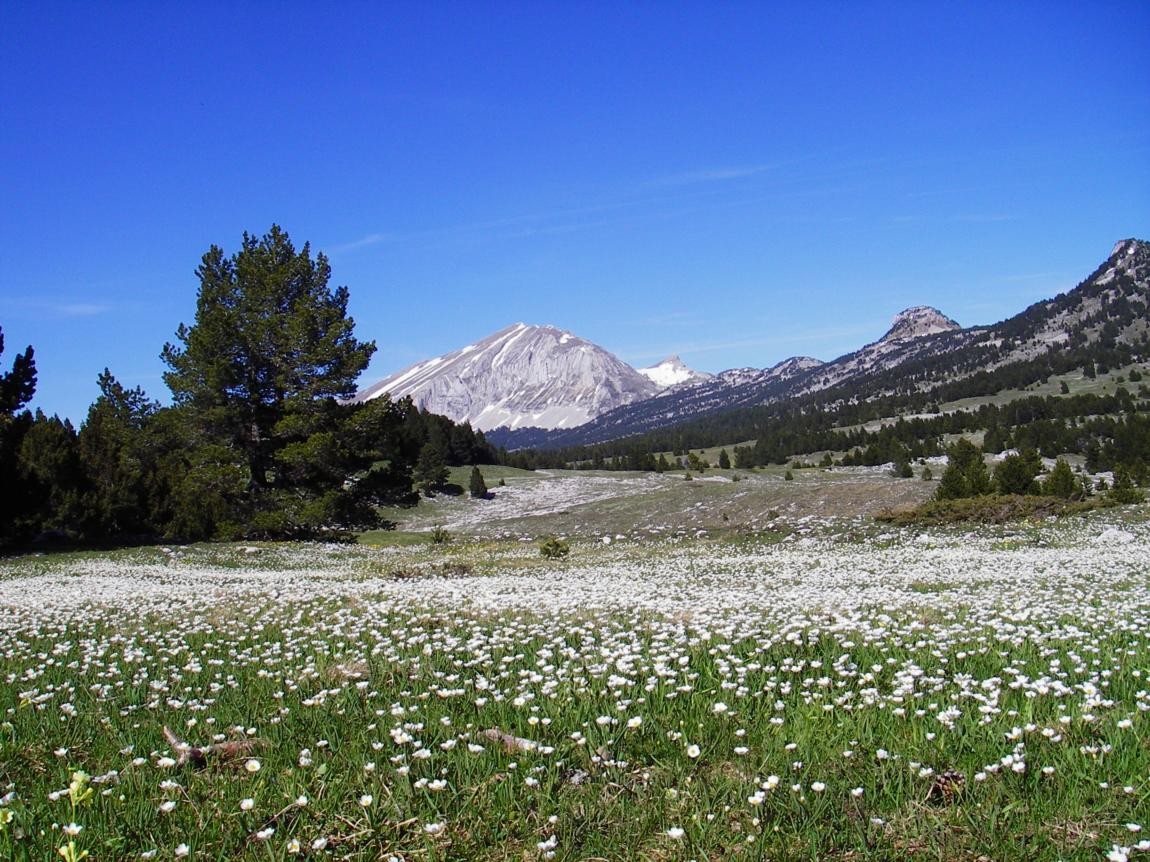
This exceptional environment is home to equally exceptional flora and fauna, which the park is dedicated to preserving. More than 80 protected plant species have been identified, including lady’s slipper, “bear’s ear” primrose, and wild tulip… There are also 135 species of breeding birds (including the black grouse, the park’s emblem) and 65 species of mammals. The Vercors is one of the few mountain ranges home to all six of France’s major wild ungulates: chamois, red deer, roe deer, mouflon, wild boar, and ibex.
To promote the richness of the natural environment, the Vercors Regional Nature Park carries out reintroductions of animal species. For example, the ibex was reintroduced into the Cirque d’Archiane in 1989 and 1990 and, more recently, into the Royans region between 2000 and 2002. The effort has been successful, as more than 300 ibex now live and breed in the Vercors. Similarly, griffon vultures, which nest on cliffs, have been reintroduced to the Diois region since 1996, as have bearded vultures in 2010, 2011, and 2012.
But the park is not a sanctuary where nature is kept under a glass dome. It encompasses 85 municipalities with a total population of 53,000. It has also made it its mission to sustain economic activity while fostering harmony between people and the environment. As such, it promotes environmentally friendly agricultural practices and supports the promotion of local products. In particular, it played a key role in helping “Bleu du Vercors-Sassenage” cheese obtain AOC certification. In terms of tourism, the “Accueil du Parc Naturel Régional” label guarantees a warm welcome and operations that are in harmony with nature. The park itself publishes a series of maps and guidebooks to encourage and facilitate outdoor activities within its boundaries.
The Vercors Regional Nature Park is thus not only an extraordinary natural environment but also a vibrant region where it is a pleasure to live and work.

-
Vercors Regional Nature Park
255 chemin des Fusillés
38250 LANS-EN-VERCORS
Route
- Languages: Fr
Rates
Opening periods
Equipments and characteristics
- Pets refused
